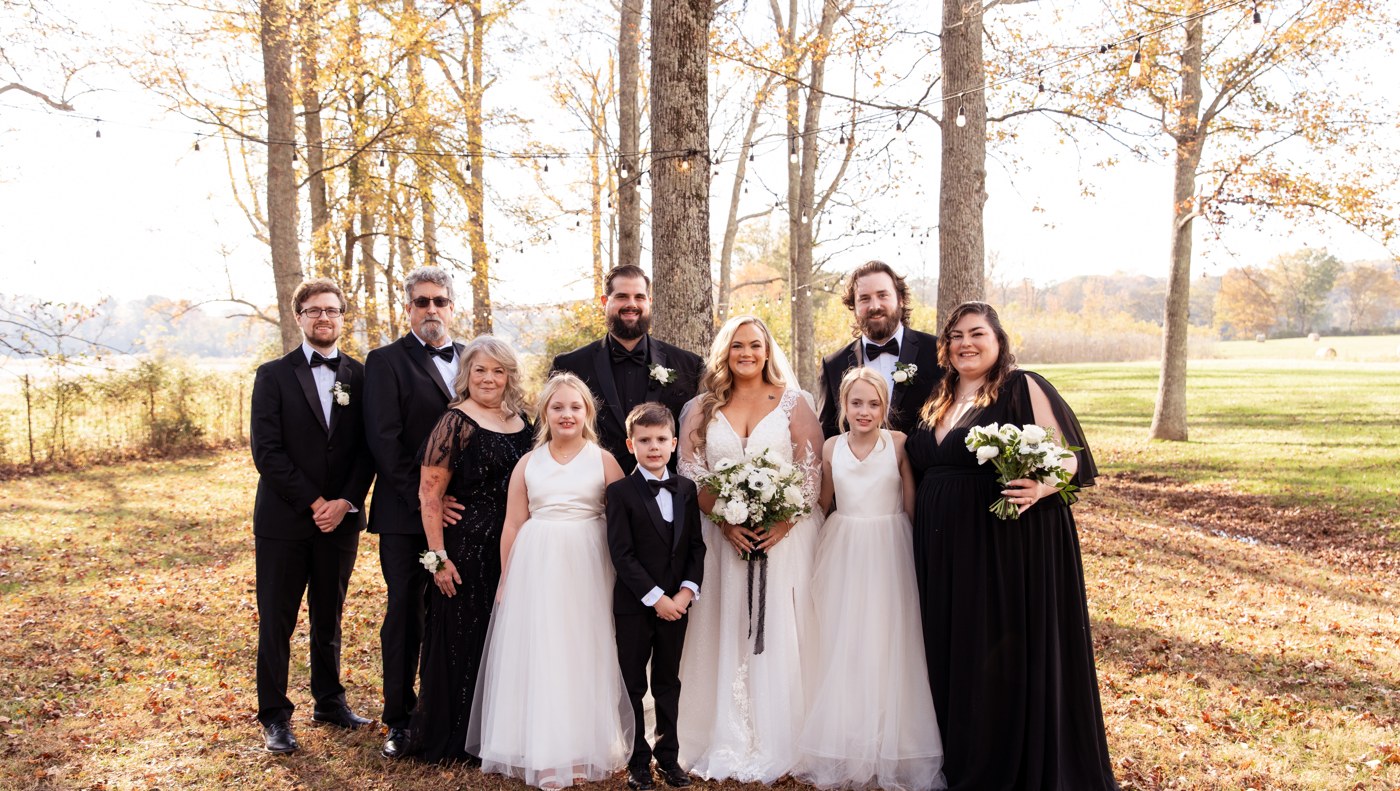
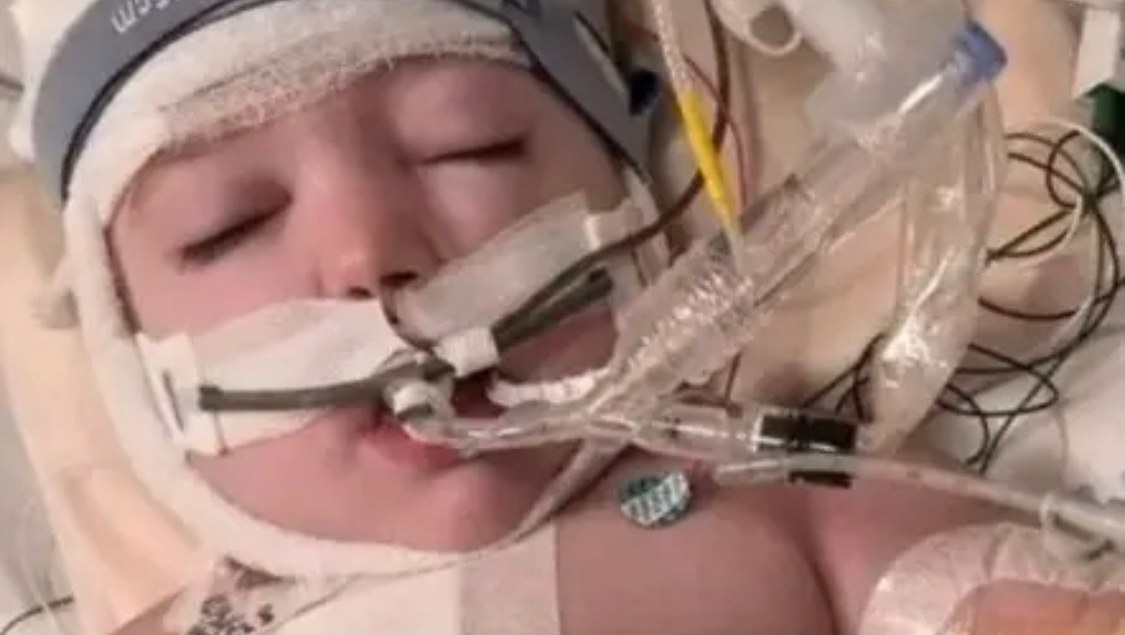
On February 24, 2025, Katelynn gave birth to her son William. It should have been the happiest day of their lives. Instead, it became the day their daughter Lilah's body suddenly went stiff, her eyes rolled back, and she stopped responding.
In the same hospital where a new baby was being welcomed, doctors were telling Lilah's parents something no parent can survive hearing: there was a mass in her brain. It was large. It was aggressive. And it was already stealing her.
The diagnosis was ATRT — atypical teratoid rhabdoid tumor. A name most people cannot pronounce. A cancer so rare and so brutal that when a family hears it, they are usually told to prepare for the worst. Most children do not survive it. The ones who do survive because strangers before them funded the research that built the treatment.
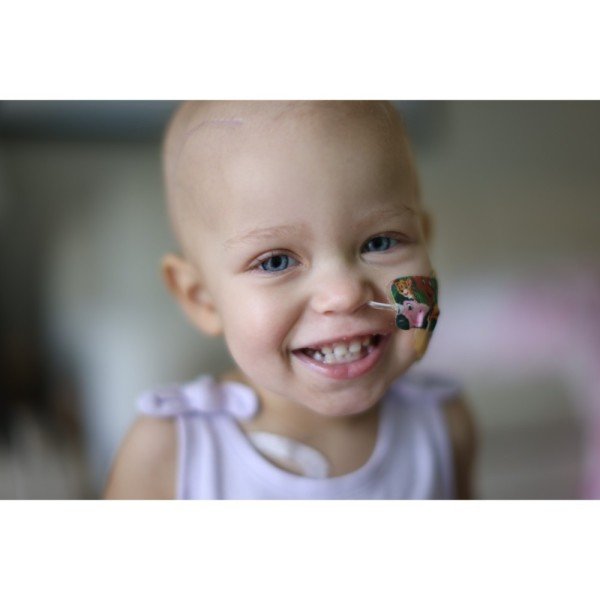
Lilah was one year old when surgeons cut open her skull to remove the tumor. Then came five rounds of chemotherapy so toxic it destroys adult bodies. High-dose chemo with stem-cell rescue. Six weeks of proton radiation. Infections. Fevers. Nights when her parents didn't know if she would see morning.
And through all of it, Lilah danced.
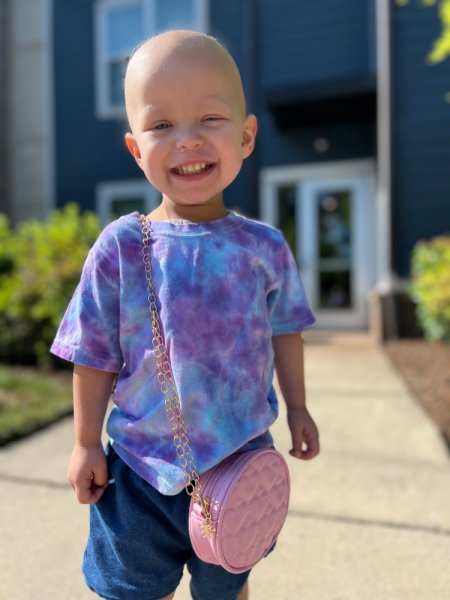
In a hospital gown with tubes attached to her tiny body, she danced for the nurses. She danced in the hallway. She walked into appointments clutching a slice of pizza, smiling like she owned the room. Sweet. Silly. Fiercely mighty. That is who she is.
In mid-December, her family got the words they had prayed for: no evidence of disease. Her spine MRI was clear. Lilah had beaten a monster that kills most children it touches.
But here is the truth that keeps her mother awake at night: ATRT comes back. It comes back for too many children. And when it does, there is almost nothing left to try. The only way to change that ending is research — and research needs money.
Every 2 minutes, somewhere in the world, another child is diagnosed with cancer. Somewhere tonight, a mother is being told her baby has a mass in their brain. That family will stand in the same hallway Lilah's family stood in. They will cry the same tears. They will beg the same God. And whether their child lives or dies will depend, in part, on whether people like us decided to fund the science that saves them.
Lilah's life was saved by research paid for by people who never knew her name. Now her family is asking you to pay it forward — for the next Lilah. For the child who is being diagnosed right now while you read this.
"I pray every night," her mother says, "let me see the beautiful woman I know she will become. And let her save someone else too."
🎗️ Please donate. $20. $50. $100. Whatever your heart allows. Every dollar funds childhood cancer research — the trials, the labs, the science that turns a death sentence into a second chance. If you cannot give, share this page. One share can reach the person who saves a child's life.